01
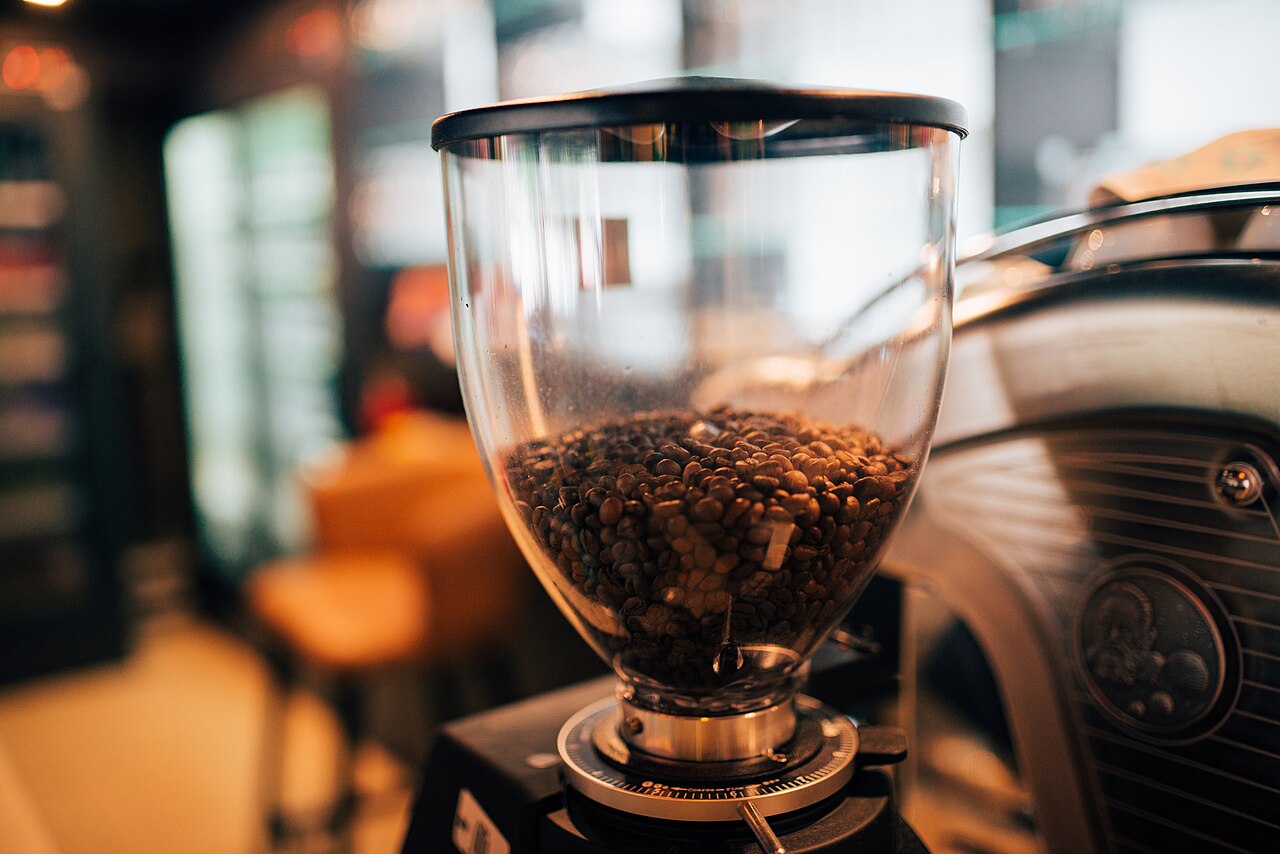
Best burr grinders for beginners (2026): what actually matters
Burr vs blade, grind settings, and the features that actually change what ends up in your cup.
Read the guide →Practical, plain-English coffee gear guidance — burr grinders, espresso machines, pour-over and French press, gooseneck kettles, scales, cold brew, and bean storage for better coffee at home.
Burr vs blade, grind settings, and the features that actually change what ends up in your cup.
Read the guide →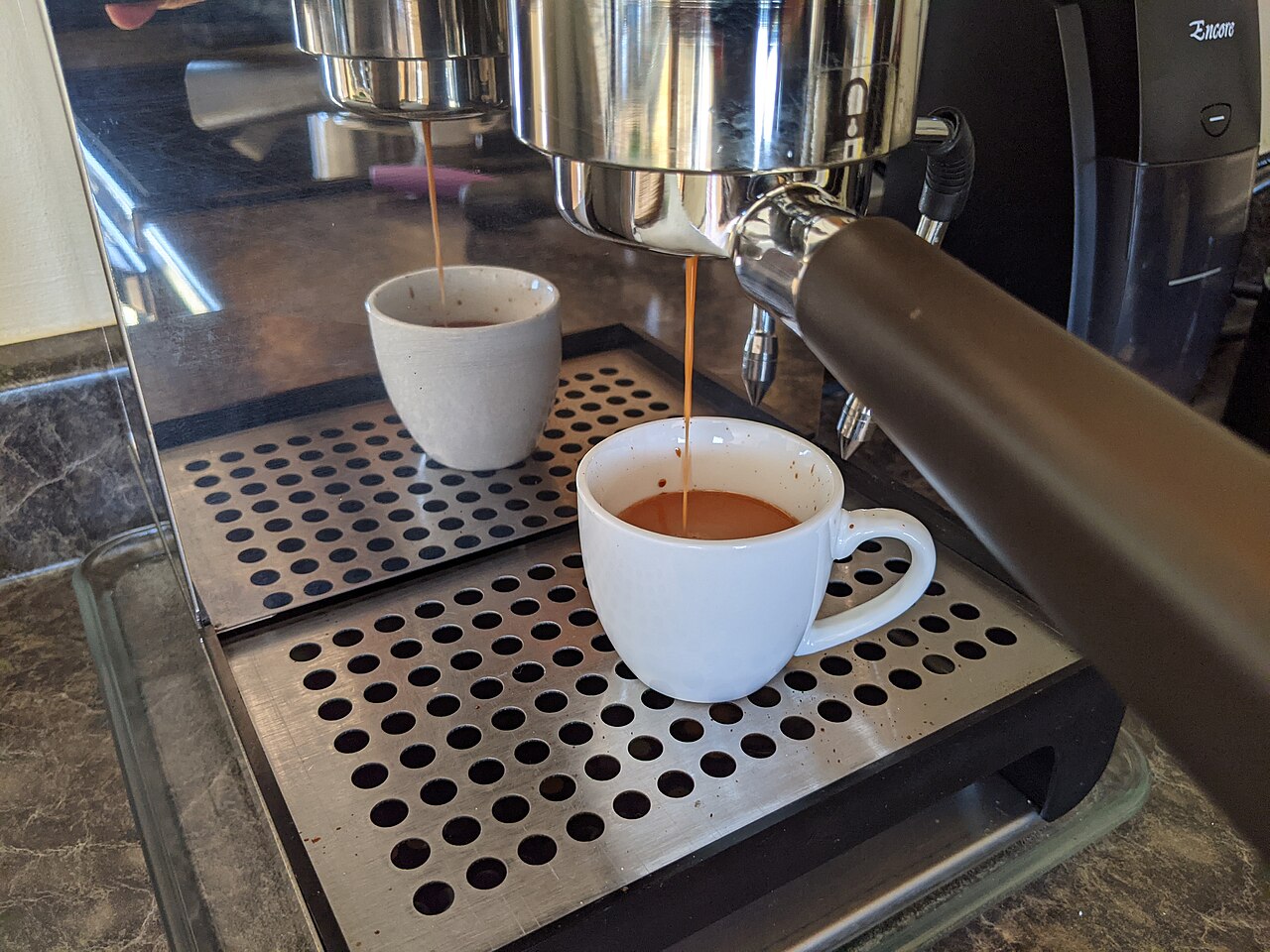
The real picks under $500, the specs that matter, and the traps that waste beginners' money.
Read the guide →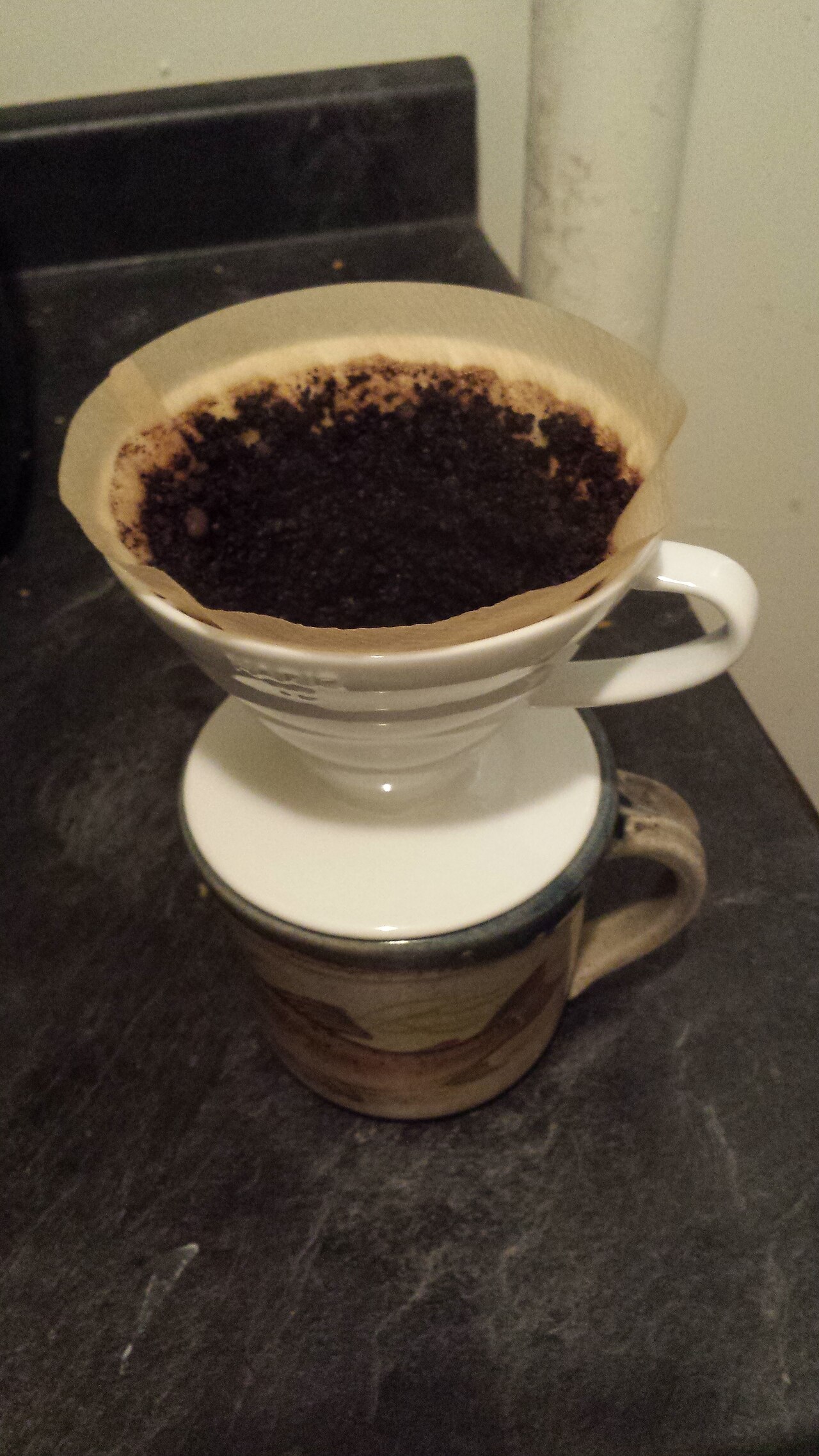
Flavor, effort, cost, and cleanup compared — pick the manual method that fits how you actually drink coffee.
Read the guide →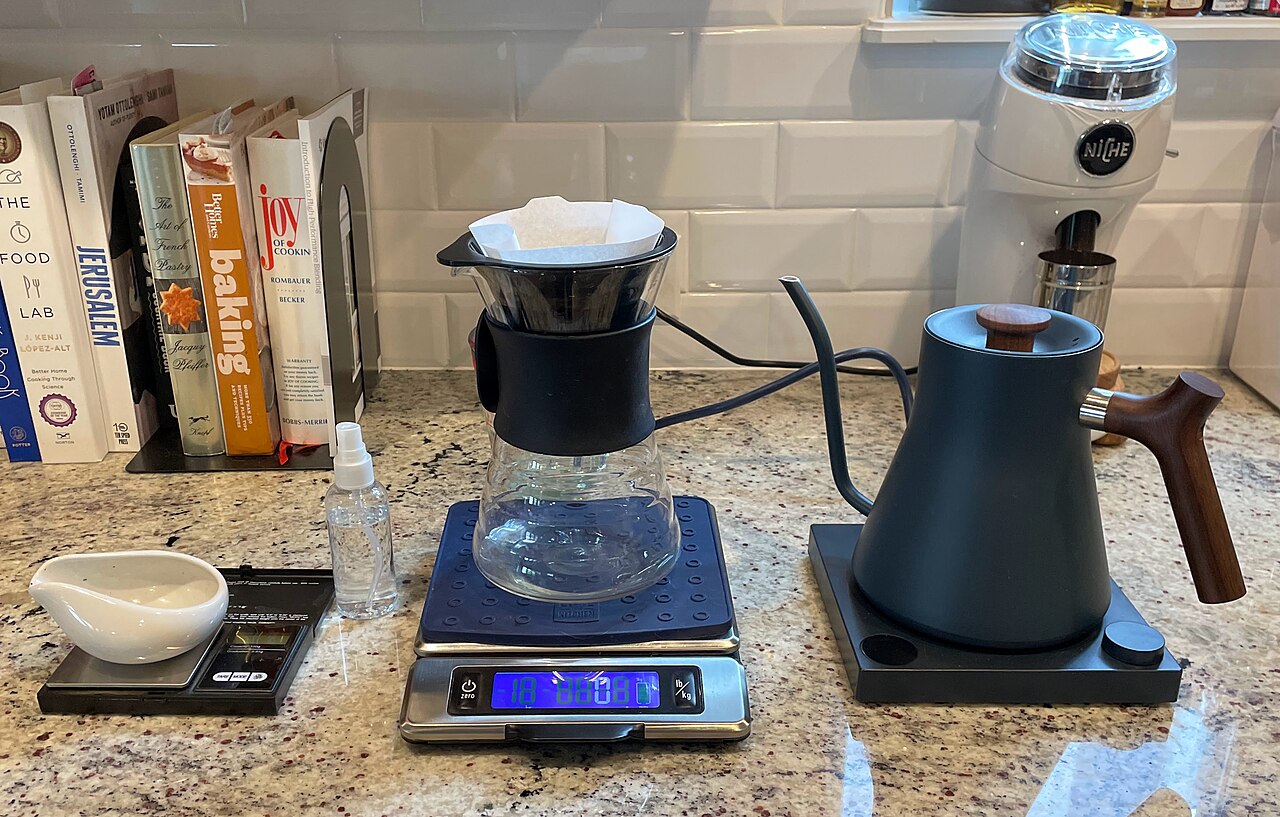
Flow control, counterweight balance, and heating speed — what separates a great gooseneck from a pretty one.
Read the guide →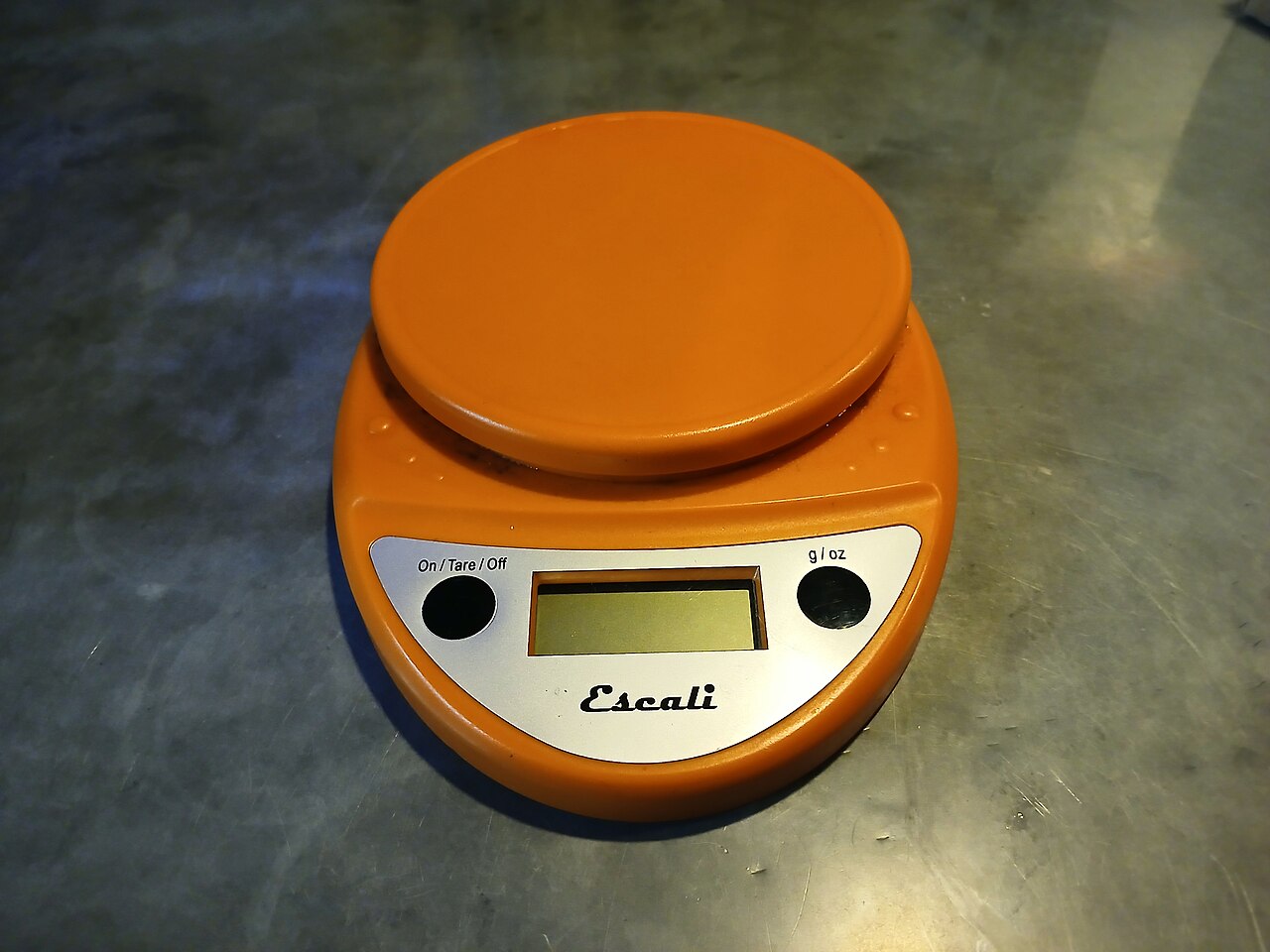
Why grams beat scoops, which scale features matter for espresso and pour-over, and when a cheap scale is enough.
Read the guide →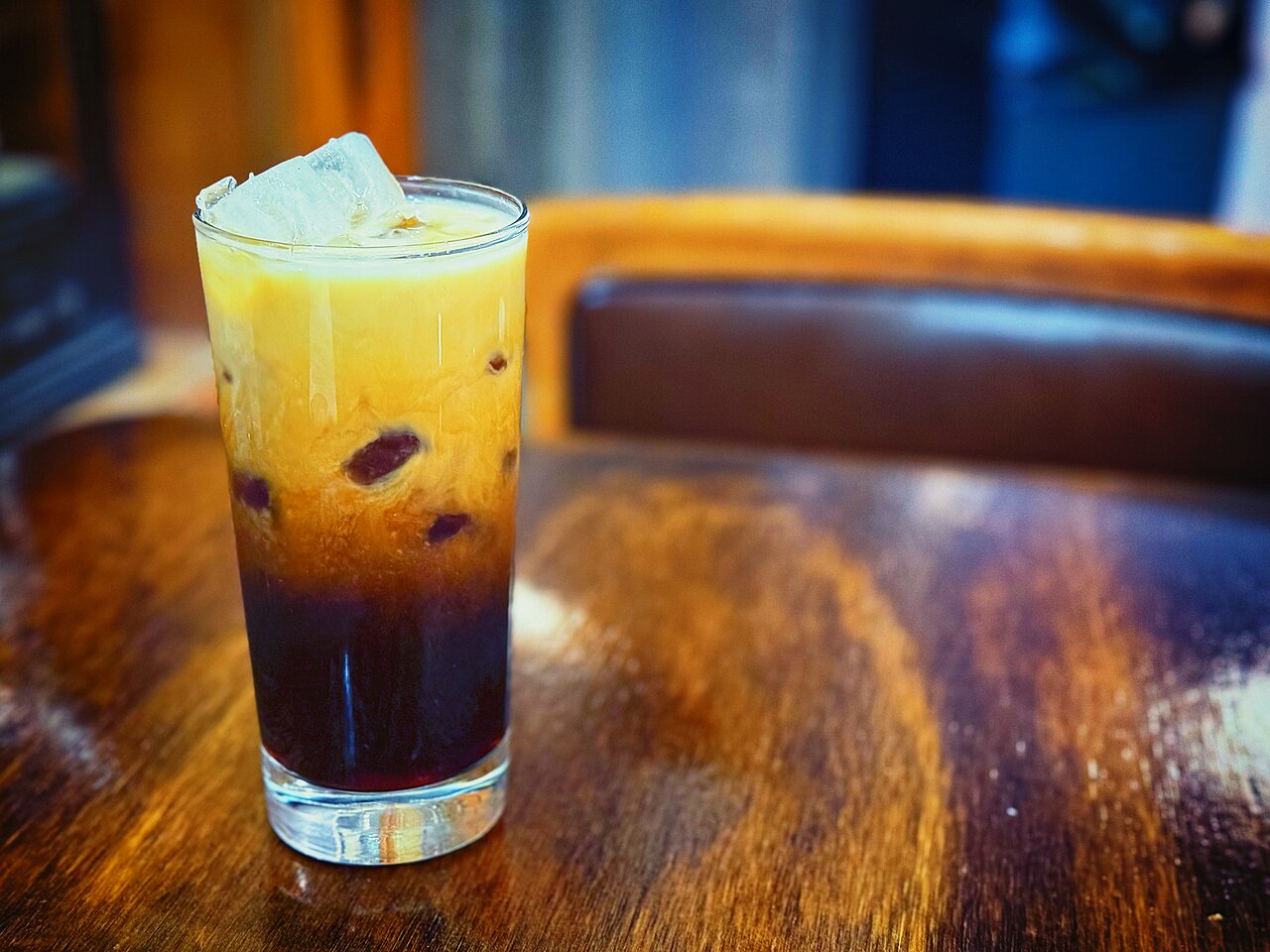
Immersion jars, tower drippers, and concentrate makers compared — smooth cold coffee without the café price.
Read the guide →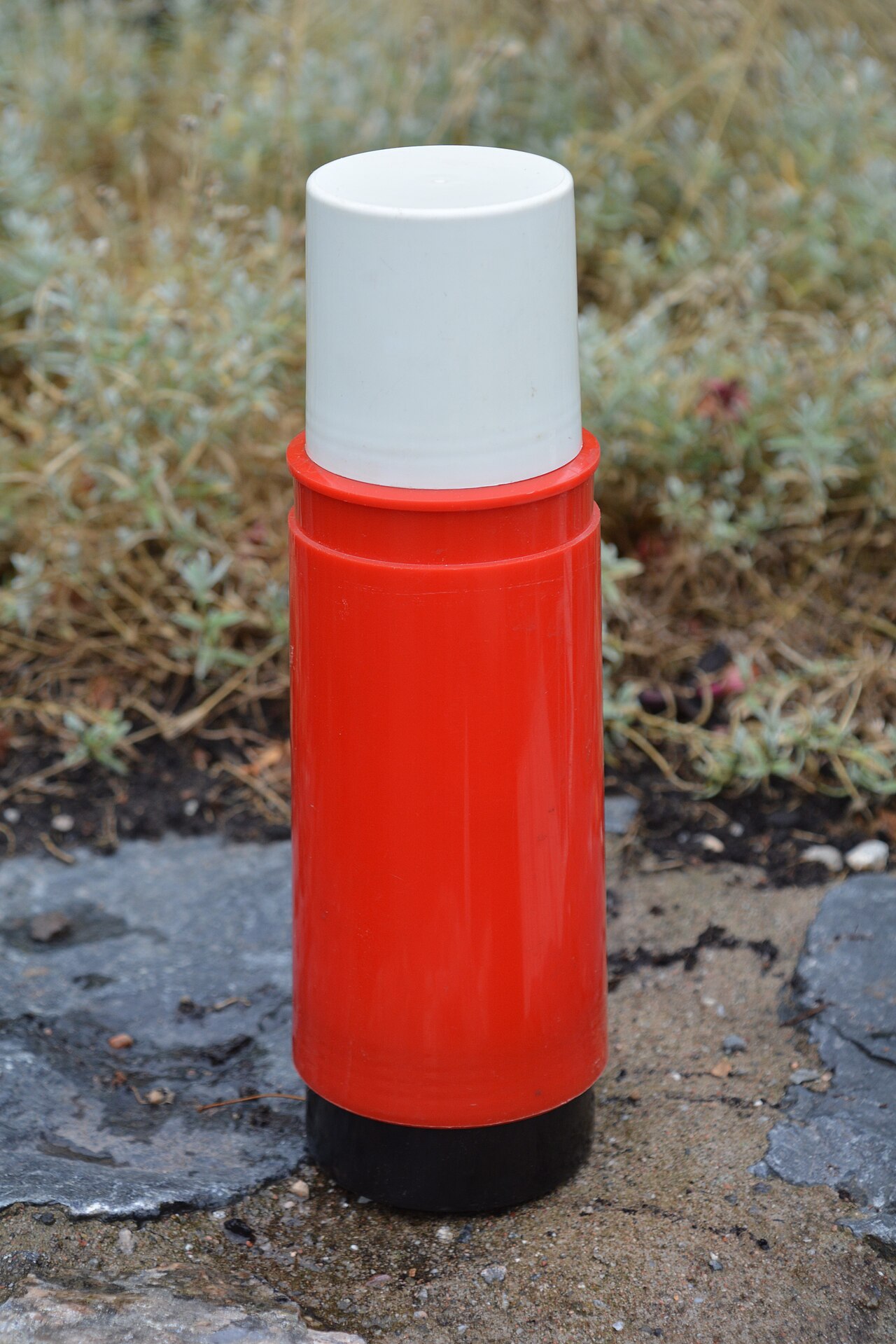
Heat retention, leakproof lids, and drinkability tested — which travel mugs keep coffee genuinely hot for hours.
Read the guide →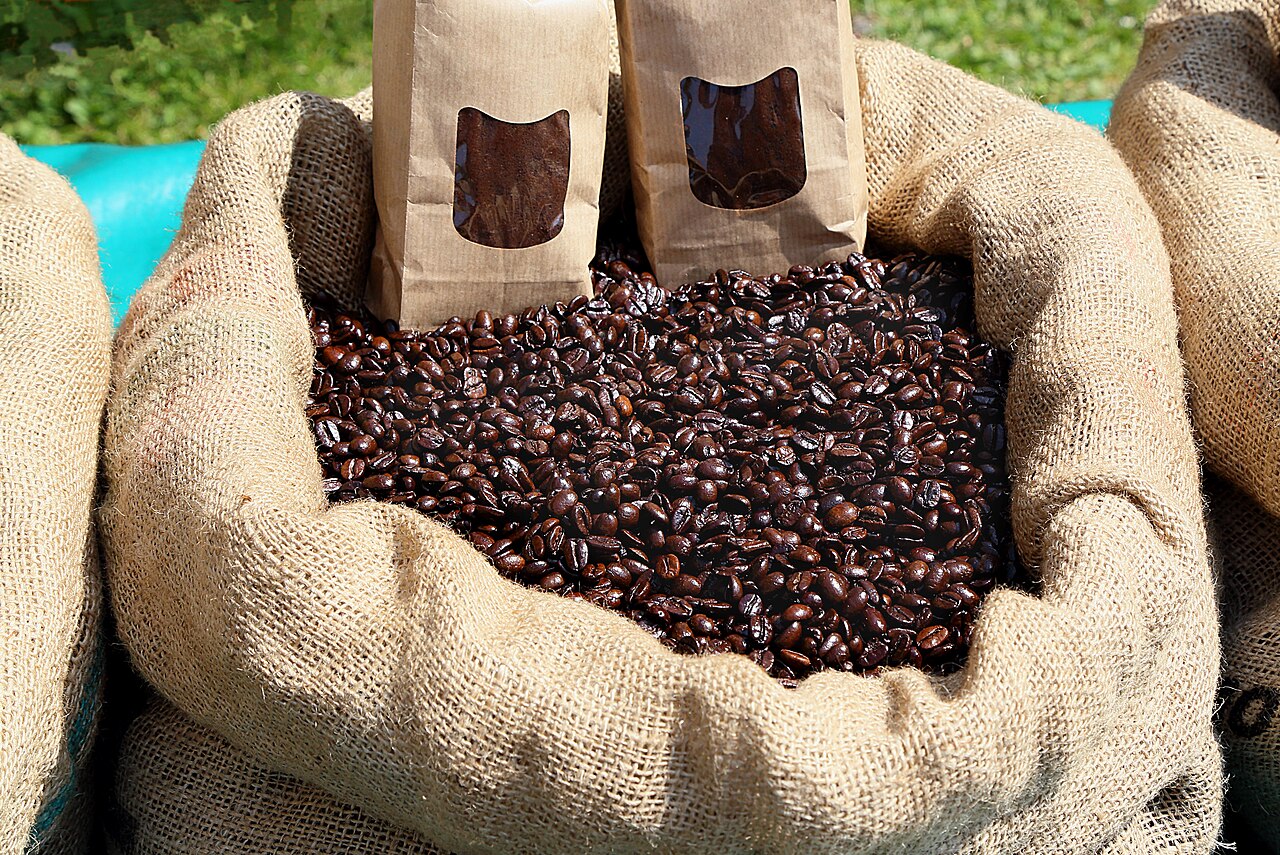
The enemies of fresh beans — air, light, heat, moisture — and the storage habits that keep coffee tasting alive.
Read the guide →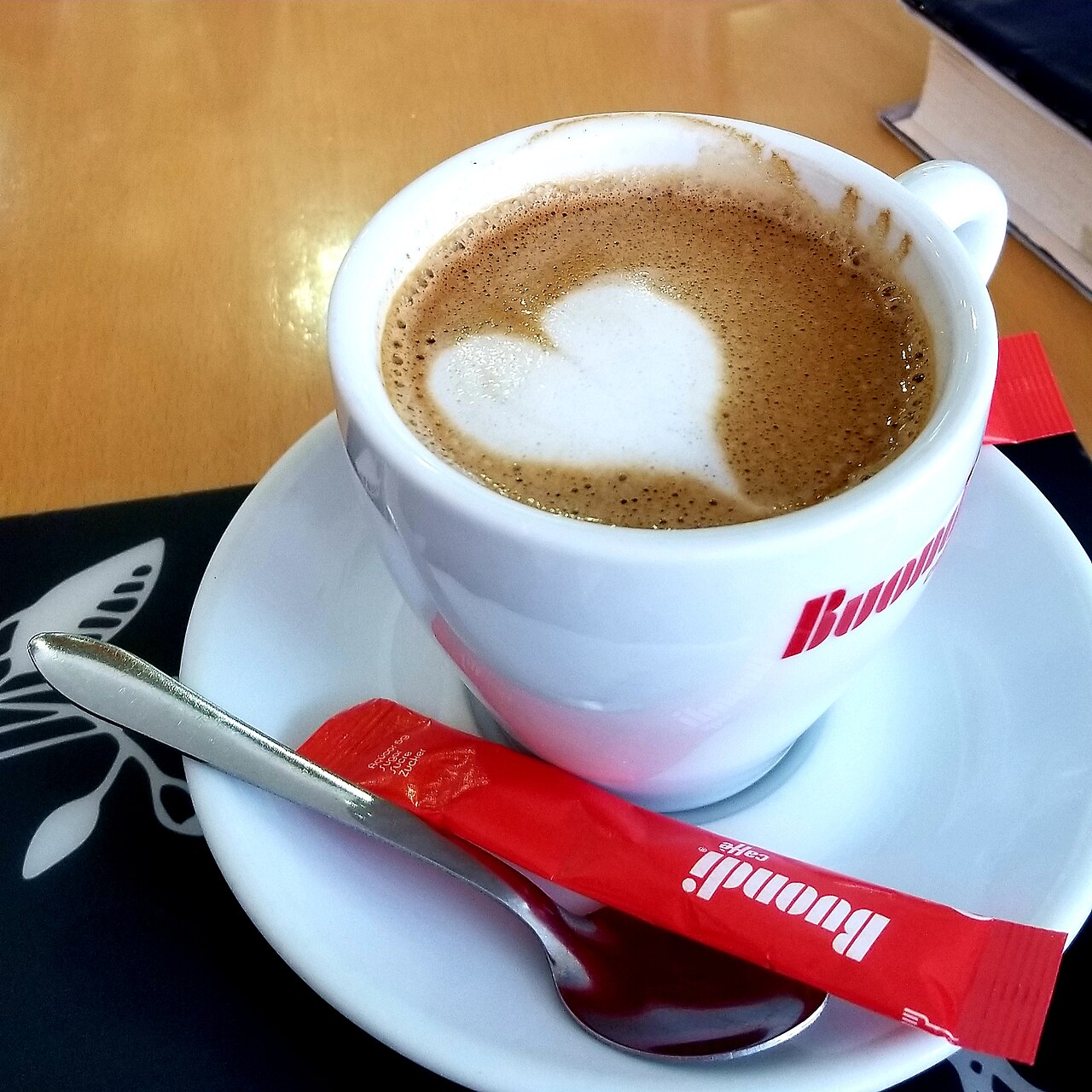
Handheld, electric, and steam-wand options compared — which frother makes genuinely silky milk for home lattes.
Read the guide →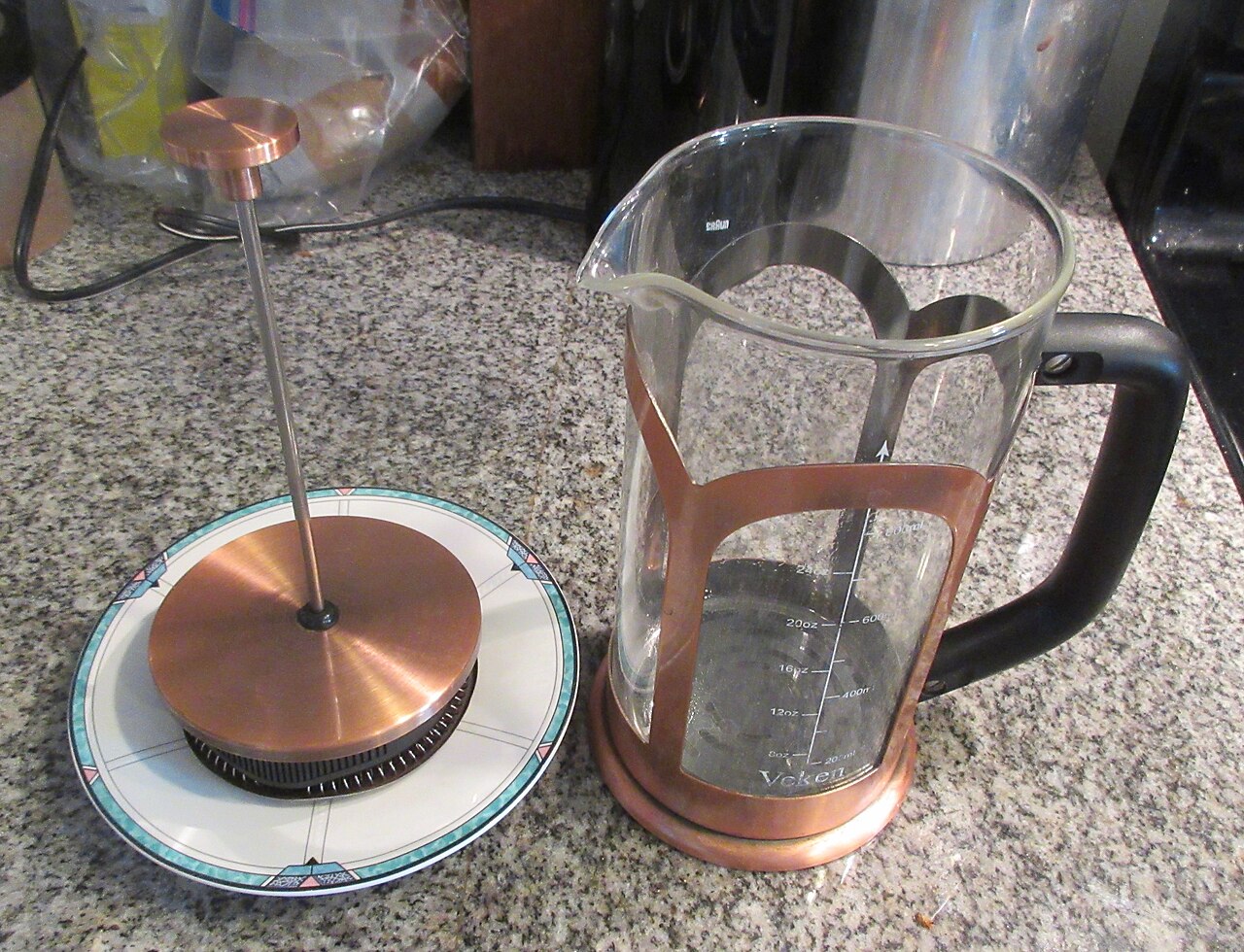
Grinder, brewer, kettle, and scale — the cheapest combination that still makes genuinely great coffee.
Read the guide →Toolkit
Useful picks for this niche. Brew it like you mean it.
The single biggest upgrade to home coffee. A conical burr grinder gives consistent particle size, which means even extraction and a cleaner cup. Blade grinders chop unevenly — fine dust plus boulders — so the same brew tastes muddy and sour at once. Start with a grinder that handles both coarse and fine settings if you brew more than one way.
Real espresso at home without the four-figure machine. Entry machines with a 15-bar pump and a pressurized portafilter make drinkable shots while you learn. Budget for a decent grinder too — the machine matters less than the grind. Skip built-in grinders at this price; they are the first thing to underperform.
The cheapest path to a noticeably better cup. A ceramic or plastic dripper plus paper filters costs little and rewards a good grinder and kettle. It brews a clean, bright cup that shows off single-origin beans. Filters are an ongoing cost, so factor in a pack every few months.
Full-immersion brewing with zero technique: coarse grounds, hot water, four minutes, plunge. Makes a heavy-bodied, forgiving cup that hides minor grind inconsistencies. Glass beakers break and keep heat poorly, so a stainless double-wall press holds temperature better and survives the counter.
The thin spout gives the slow, controlled pour that pour-over needs. Electric models with temperature hold save you hovering with a thermometer; stovetop ones cost less but need a separate kettle watch. A counterweighted handle keeps the pour steady when the kettle is full.
Grams beat scoops: coffee dose and water weight are the two variables you can control exactly, and a 0.1g scale with a timer makes both trivial. It is the cheapest way to make your brewing repeatable. Any kitchen scale works for French press, but espresso and pour-over reward the finer resolution.
Steep coarse grounds in cold water for 12-24 hours and get smooth, low-acid coffee concentrate that keeps a week in the fridge. Dedicated makers with built-in filters beat mason-jar-and-cheesecloth on cleanup. A concentrate brewer stretches further per batch than single-serve cold brew bottles.
Double-wall vacuum insulation keeps coffee hot for hours, and a genuinely leakproof lid survives a bag toss. Ceramic-coated interiors avoid the metallic taste cheap steel can add. Dishwasher-safe lids matter more than you think — hand-wash-only mugs get gross fast.
Turns hot milk into the silky microfoam a latte needs — handheld wands are cheap and fine for cappuccino-style foam, while jug frothers with heat settings get closer to café texture. Neither replaces a steam wand for true latte art, but both beat microwaved milk by a mile.
Air, light, and moisture are what kill fresh beans. An airtight canister with a CO2 valve lets beans degas without letting air in, buying you an extra week or two of peak flavor. Opaque beats glass — light stales beans faster than most people expect.
As an Amazon Associate, this site earns from qualifying purchases at no extra cost to you. Prices and availability can change. Read the affiliate disclosure.