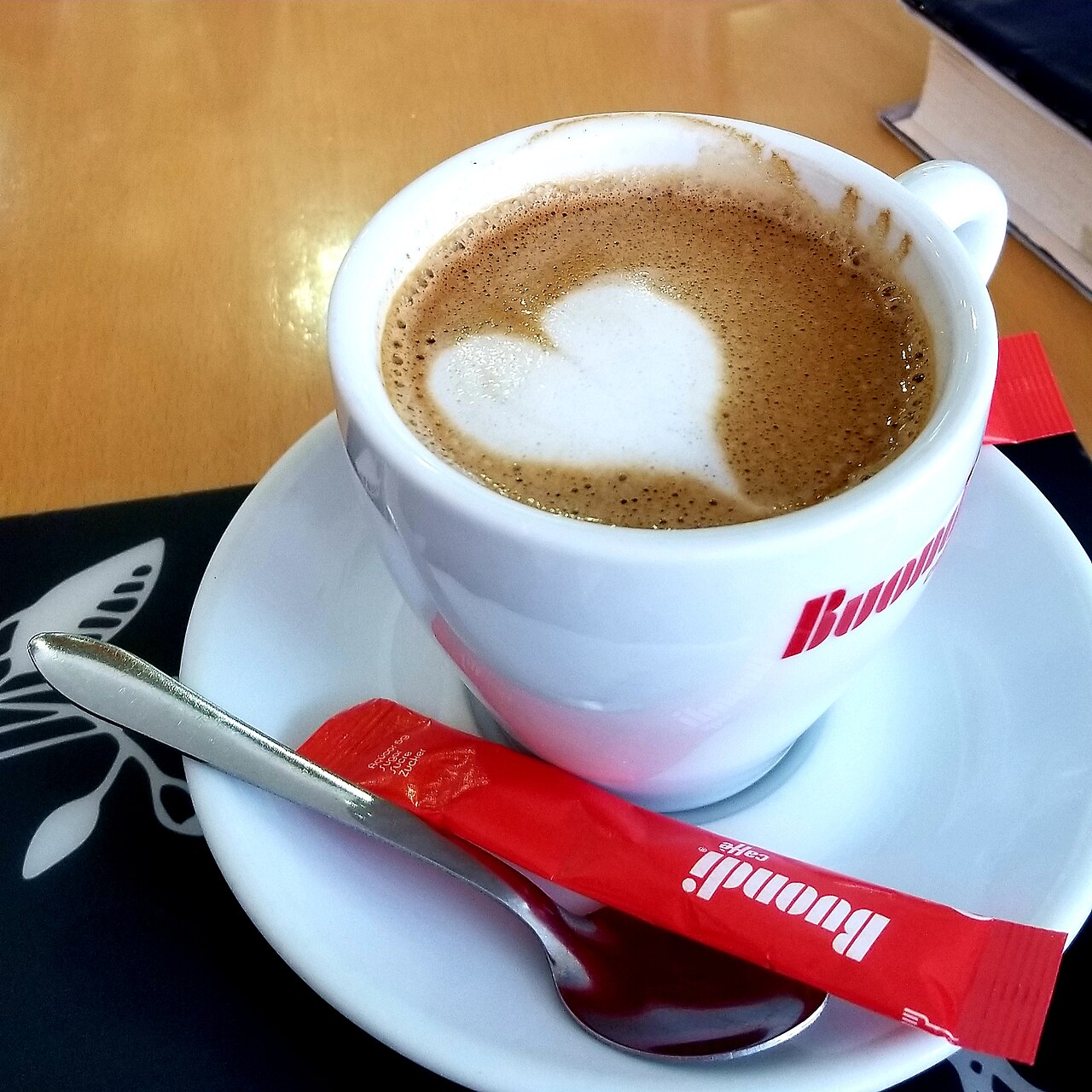
A latte is espresso plus silky steamed milk — and the milk is half the drink. Without an espresso machine’s steam wand, a milk frother is how you get there: turning ordinary milk into the velvety microfoam that makes a home latte taste like a café drink instead of milky coffee. This guide compares handheld, jug, and steam-wand options honestly, including what each one cannot do.
What “good foam” actually means
Café microfoam is milk heated to about 130–150°F with tiny, uniform bubbles — it looks like wet paint and pours like liquid silk, blending into the espresso instead of sitting on top. Dry, stiff foam (the cappuccino kind) is a different texture: airy bubbles spooned over the drink. Both are legitimate; they are different drinks. A frother’s job is creating one of these textures consistently, and the type you buy determines which one you get.
Milk choice matters as much as the device. Whole milk foams best — fat and protein stabilize the bubbles. Low-fat milk makes airier, less stable foam. Among non-dairy milks, barista-formulated oat milk is the clear winner; regular almond milk barely foams at all. If your frother “doesn’t work,” try different milk before blaming the device.
Handheld wands: cheap, fast, limited
A battery-powered whisk wand costs little, froths a mug of milk in 30 seconds, and stores in a drawer. It makes decent airy foam for cappuccinos and passable foam for lattes if you technique it — keep the whisk just below the surface at an angle to fold air in gradually. The limitations are real: it does not heat the milk (warm it separately), the foam is bubblier than true microfoam, and cheap wands die young. Still, for the price, it is the best first frother — it answers “do I actually make milk drinks?” for almost nothing.
Electric jug frothers: the set-and-forget option
Jug frothers heat and froth automatically: pour cold milk, press a button, get hot frothed milk in a minute or two. The better ones offer multiple settings (warm foam, cold foam, just heated milk) and produce noticeably silkier texture than a wand. They cost more and take counter space, and the nonstick interiors need gentle cleaning — but for daily latte drinkers, the convenience is transformative. This is the category to buy once you know milk drinks are a habit, not an experiment.
Steam wands: the real thing, with a learning curve
Nothing beats a proper steam wand for microfoam — it is what cafés use, and it is the only option that enables true latte art. But wands only come on espresso machines (see our espresso machines guide), and good steaming takes weeks of practice: positioning, stretching, texturing, temperature by feel. A panarello-style wand on an entry machine makes this harder, not easier. Do not buy an espresso machine for the steam wand alone unless you are committed to the whole espresso workflow.
Technique tips that matter more than the device
Start with cold milk and a cold vessel — you get more working time before the milk overheats. Never exceed about 150°F; scalded milk tastes cooked and will not foam properly (if you do not have a thermometer, stop when the vessel is too hot to hold comfortably). For wand users: submerge, then raise to the surface to add air with a paper-tearing sound for a few seconds, then submerge deeper to spin and polish. Swirl and tap the vessel to pop large bubbles. These five minutes of technique improve any frother’s output more than upgrading the frother.
What this guide does not cover
This covers home milk frothing — not commercial steam technique, not latte art pouring (a skill unto itself), and not the chemistry of milk proteins. It does not cover non-dairy milk formulation in depth; if you drink exclusively oat or soy, look for “barista edition” versions, which are formulated to foam. And it is not nutrition advice — frothed milk has the same calories as unfrothed milk.
Frequently asked questions
Can I froth milk without any device?
Yes, roughly: shake hot milk in a sealed jar, or pump a French press plunger vigorously in warm milk. Both make bubbly foam — closer to cappuccino than latte — and both are free. A $15 wand is a big step up.
Why won’t my milk foam?
Usual suspects in order: milk too warm to start, wrong milk type (skim or regular almond), overheated milk (over ~150°F proteins break down), or old milk. Fix these before replacing the frother.
What’s the difference between a latte and a cappuccino?
Ratio and texture: a latte is mostly steamed milk with a thin layer of microfoam; a cappuccino is equal parts espresso, steamed milk, and dry foam. Same ingredients, different architecture.
Do I need a frother if I have an espresso machine?
No — the machine’s steam wand is the superior tool. A separate frother only makes sense if your machine’s wand is weak or you want cold foam, which steam cannot make.