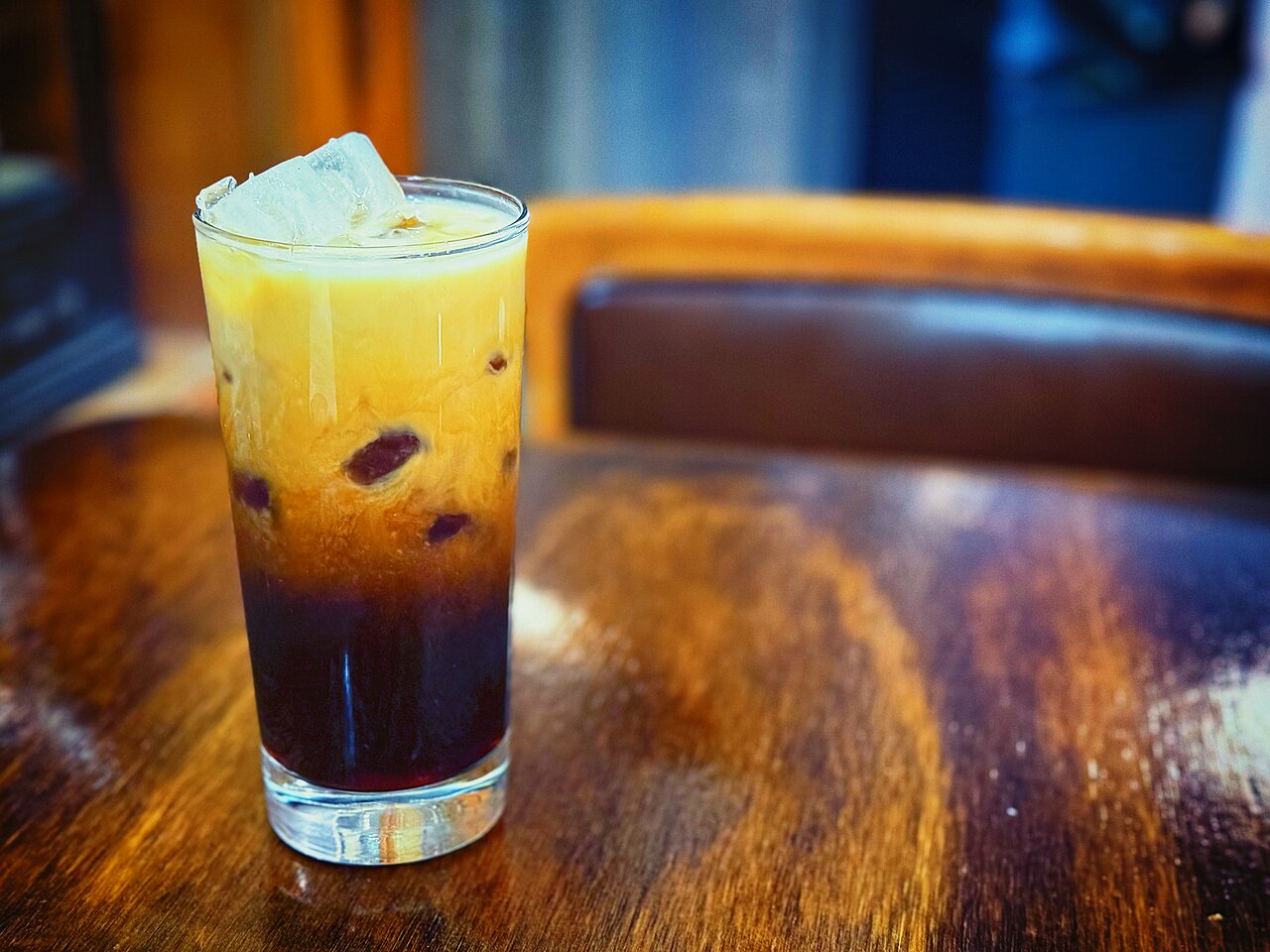
Cold brew is the smoothest, most forgiving coffee you can make at home — steep coarse grounds in cold water for half a day, strain, and you get naturally sweet, low-acid coffee concentrate that keeps for a week in the fridge. No technique, no timing anxiety. This guide compares the three types of cold brew makers and explains which suits your fridge, your batch size, and your patience for cleanup.
Why cold brew tastes different
Heat extracts coffee’s acids and bitter compounds aggressively; cold water extracts slowly and selectively, pulling out sweetness and body while leaving much of the acidity and bitterness behind. The result is chocolatey, smooth, and naturally sweet — which is why cold brew converts people who “don’t like black coffee.” It is not weaker coffee; as a concentrate, it is usually stronger than drip, just smoother.
The tradeoff is time and planning. Cold brew takes 12–24 hours, so it rewards routine: start a batch in the evening, strain in the morning, drink all week. If you want iced coffee right now, brew hot coffee directly over ice instead — cold brew is a batch process, not an instant one.
The three types: immersion jars, tower drippers, and concentrate makers
Immersion brewers are the simplest: a jar or pitcher with a built-in mesh filter. Add coarse grounds and cold water, wait, lift out the filter. They make ready-to-drink cold brew at a typical 1:8 to 1:10 ratio and are the easiest to clean. The limitation is strength control — what you brew is what you drink.
Concentrate makers brew at a strong ratio (around 1:4 to 1:5) so you dilute to taste — with water for black coffee, with milk for a latte-like drink. One batch stretches further and suits households with different strength preferences. Tower drippers (slow-drip) are the beautiful, fussy option: ice water drips through grounds over hours, producing a brighter, more aromatic cup — but they are fragile, expensive, and finicky to dial in. For most people, immersion wins.
Grind, ratio, and time: the only recipe you need
Grind coarse — like raw sugar or breadcrumbs. Too fine and the brew over-extracts into woody bitterness while clogging the filter. Ratio depends on your brewer type: 1:8 for ready-to-drink immersion (80g coffee per 640g water makes about four servings), 1:4 for concentrate. Time: 12 hours at room temperature or 16–24 in the fridge; longer generally means stronger up to about 24 hours, after which woody notes creep in.
Water quality matters more here than in hot brewing because there is no heat to mask off-flavors — if your tap water tastes off, filter it. And use fresh beans: cold brew will not rescue stale coffee, it just makes smooth stale coffee. Our bean storage guide covers keeping beans at peak.
Cleanup: the hidden deciding factor
Cold brew’s dirty secret is cleanup. A pound of wet grounds is heavy, and fine sediment clogs sink drains. Brewers with a lift-out mesh filter basket make this dramatically easier — lift, dump grounds in the trash or compost, rinse. French-press-style plunging works but leaves sediment. Whatever you buy, never dump grounds down the drain; they settle in pipes and cause blockages over time.
Size your brewer to your fridge and your habit. A two-quart pitcher sounds great until it hogs a shelf for a week. If you drink cold brew daily, a larger brewer earning its shelf space makes sense; if it is a weekend treat, a compact one you can store empty is smarter.
What this guide does not cover
This covers home immersion cold brew — not nitro cold brew (which needs a keg system), not commercial toddy brewers, and not espresso-based iced drinks. It does not cover the caffeine chemistry debates; suffice to say cold brew concentrate is strong, so dilute thoughtfully if you are caffeine-sensitive. Food safety note: keep brewed cold brew refrigerated and drink within 7–10 days.
Frequently asked questions
Can I just use a French press for cold brew?
Yes — it works well. Steep coarse grounds in cold water in the press overnight, plunge slowly in the morning. The mesh lets more sediment through than a dedicated filter, so pour gently or strain through a paper filter for a cleaner cup.
Why does my cold brew taste bitter or woody?
Usually over-extraction: grind coarser, shorten the steep, or both. Dark roasts also go woody faster — medium roasts are the sweet spot for cold brew.
How long does cold brew concentrate keep?
Refrigerated in a sealed container, 7–10 days, though flavor peaks in the first 4–5. Diluted ready-to-drink cold brew keeps about the same. If it smells off or tastes flat, it is done.
Is cold brew less acidic actually true?
Yes, measurably — cold extraction pulls fewer acidic compounds, and many people with acid sensitivity tolerate cold brew better than hot coffee. It is still coffee, though, not medicine; individual sensitivity varies.