Pour-over and French press are the two classic manual brew methods, and they could hardly be more different: one is a slow, precise drip through paper; the other is a forgiving full-immersion steep. Both can make excellent coffee. This guide compares flavor, effort, cost, and cleanup honestly so you pick the method that fits how you actually drink coffee — not the one the internet told you to want.
How each method works
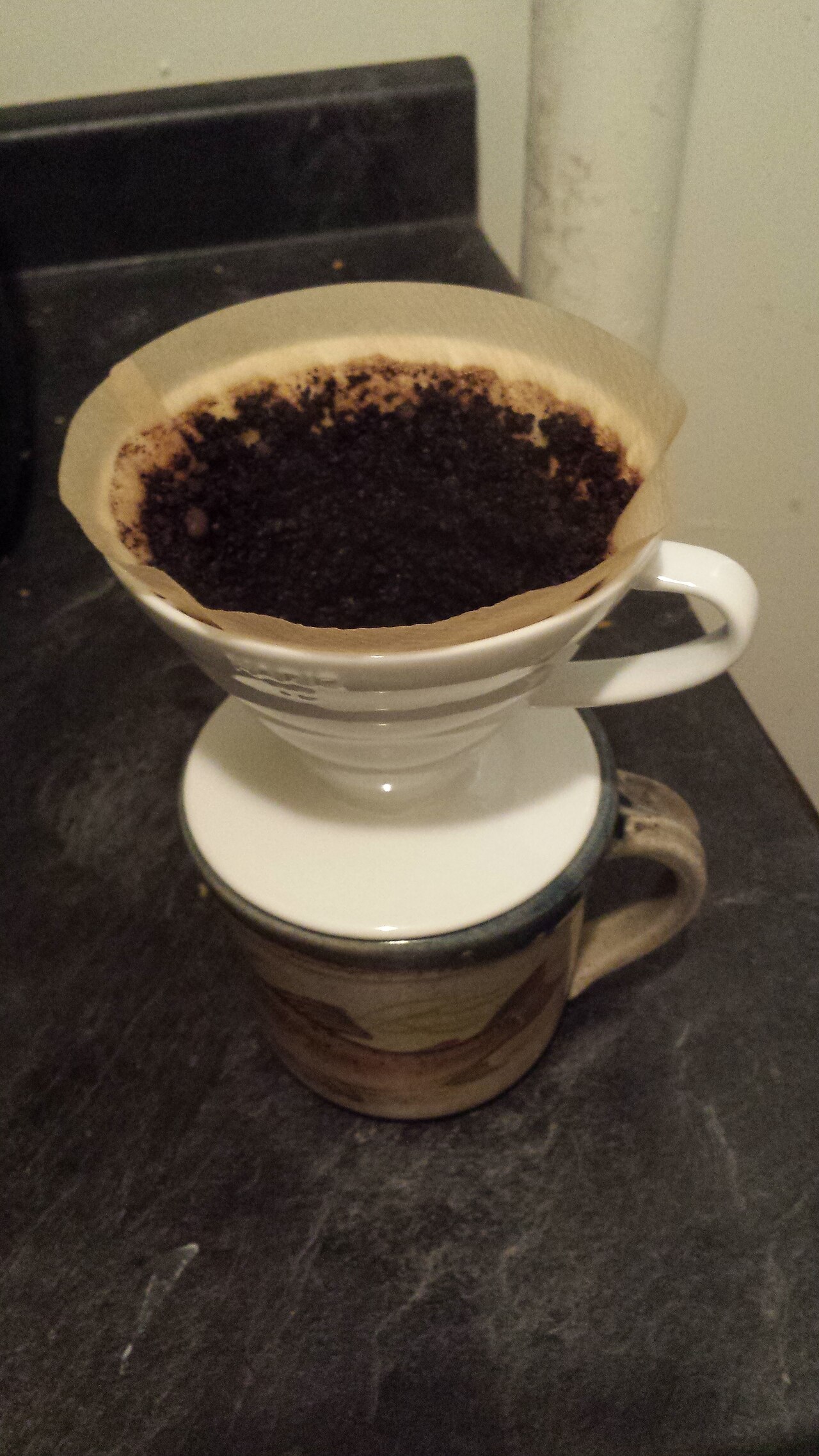
Pour-over is percolation: you pour hot water in slow spirals over medium-fine grounds sitting in a paper filter, and gravity pulls the brew through over two to four minutes. The paper filter traps oils and fine sediment, producing a clean, bright cup where subtle flavors — fruit, florals, acidity — stand out. It demands attention: grind size, pour speed, and timing all move the result.
French press is immersion: coarse grounds steep directly in hot water for about four minutes, then a metal mesh plunger separates them. No paper filter means the coffee’s natural oils stay in the cup, producing a heavy-bodied, rich brew. It is nearly foolproof — the main variables are grind coarseness, ratio, and time. Our budget setup guide shows how little a press setup costs.
Flavor: bright and clean vs rich and heavy
Neither is objectively better; they emphasize different things. Pour-over’s paper filtration produces clarity — you taste distinct notes, and light-roast single-origin beans shine. French press produces body — a thick, round mouthfeel where chocolate and nut notes dominate and brighter notes get muted. If you drink your coffee black and enjoy tasting differences between beans, pour-over rewards you more. If you add milk or sugar, or you just want a big satisfying mug, the press’s body survives additions better.
Grind quality matters more for pour-over than for press. Uneven grounds over-extract in a dripper and the flaws show; the press’s immersion is more forgiving. That makes French press the better method if you are still using a blade grinder or pre-ground coffee — and another reason our grinder guide puts the grinder first.
Effort, time, and cleanup compared
French press wins on effort: boil water, add grounds, wait four minutes, plunge. Total active time is under a minute, and the technique ceiling is low — you will make good press coffee on your first try. Pour-over asks for a gooseneck kettle (see our kettle guide), a scale (our scale guide explains why grams matter), and three to four minutes of focused pouring. The learning curve is real but short — most people dial in a good recipe within a week.
Cleanup is a wash with opposite annoyances. Pour-over cleanup is trivial: lift out the filter and grounds, rinse the dripper. French press cleanup is the chore — scooping wet grounds out of the beaker without sending them down the drain (coffee grounds and plumbing are enemies). A press with a fine mesh and a quick rinse routine minimizes the pain, but it never disappears entirely.
Cost of getting started
French press is the cheaper start: a decent press costs less than a bag of good beans will over a month, and you need nothing else beyond a kettle you already own. Pour-over costs more to do well — dripper, filters (an ongoing cost), gooseneck kettle, and ideally a scale — but each piece is inexpensive on its own, and the whole kit still lands well under $100 before the grinder.
Which should you choose?
Choose French press if: you want great coffee with minimum fuss, you brew for two, you like full-bodied coffee or drink it with milk, or your grinder is basic. Choose pour-over if: you drink coffee black and want to taste what makes beans different, you enjoy a small morning ritual, or you already own (or will buy) a gooseneck kettle and scale. And honestly? Many coffee lovers own both — press for lazy weekend mornings, pour-over for slow Sunday experiments. At these prices, owning both is cheaper than one mediocre electric brewer.
What this guide does not cover
This compares the two classic manual methods — not espresso, moka pot, AeroPress, siphon, or Turkish coffee, each of which deserves its own guide. It does not cover water chemistry beyond the basics (if your tap water tastes fine, it brews fine), and it does not recommend specific bean roasts. Ratios and times given are starting points; your palate is the final judge.
Frequently asked questions
Which method is healthier?
Paper-filtered pour-over removes most cafestol, a compound in coffee oils linked to higher cholesterol; French press leaves it in. If cholesterol is a concern, pour-over (or any paper-filtered method) is the safer daily choice — but talk to your doctor, not a coffee blog, about what matters for you.
Can I make iced coffee with either method?
Yes — brew directly over ice (Japanese iced coffee style) works beautifully with pour-over; use a stronger ratio to compensate for dilution. French press iced coffee works too, though it is harder to get the ratio right.
How much coffee should I use?
Start at 1:15 — one gram of coffee per 15 grams of water (about 20g coffee to 300g water for one big mug) — for both methods, then adjust to taste. A scale makes this trivial; scoops make it approximate.
Is a metal reusable filter a good substitute for paper?
It changes the cup: metal lets oils and fine sediment through, moving pour-over closer to French press body while keeping the percolation character. It is an eco-friendly option, but expect a heavier cup and slightly muddier flavors.