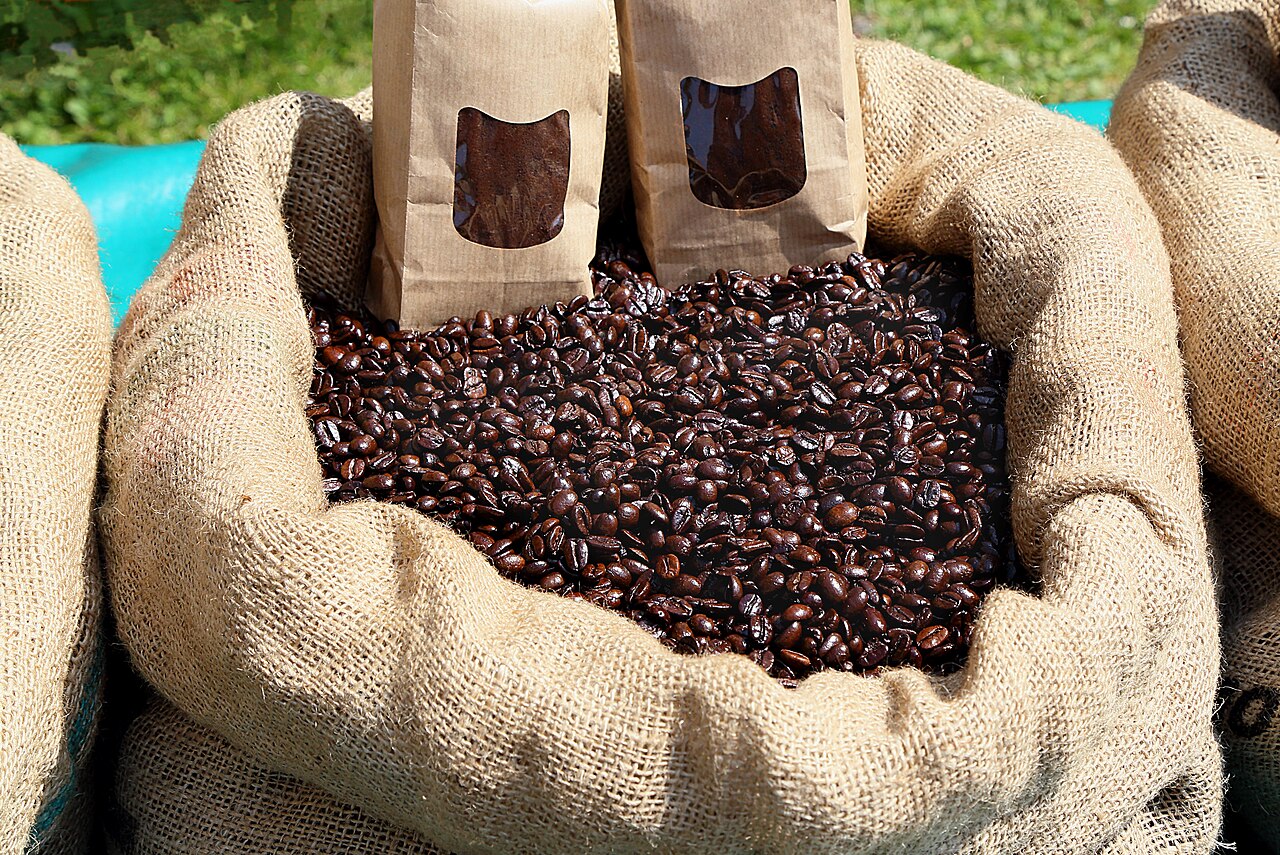
Coffee is produce, not a pantry staple. From the moment beans leave the roaster, four enemies — air, light, heat, and moisture — are stealing the flavors you paid for. Good storage does not make coffee better; it slows the decline. This guide covers how fast beans actually stale, what storage works, and the truth about the freezer.
How fast coffee actually goes stale
Whole beans peak roughly 3–14 days after roasting (they need a few days to degas CO2 first) and decline noticeably after 3–4 weeks. Ground coffee stales in days — the surface area exposed to air is enormously larger. That bag of pre-ground coffee that has been open a month is not “still fine”; it is a shadow of itself, and no brewer can recover what oxidation took.
This timeline is why buying matters as much as storing: buy whole beans, buy from roasters who print roast dates (not just “best by” dates a year out), and buy quantities you will finish in two to three weeks. The freshest storage method in the world cannot fix beans that were stale when you bought them.
The four enemies: air, light, heat, moisture
Oxygen drives staling — it oxidizes the aromatic compounds that make coffee taste like something. Every time you open the bag, fresh air rushes in; squeeze excess air out and reseal promptly. Light, especially sunlight, degrades beans surprisingly fast — that clear glass jar on a sunny counter is a display case, not storage. Heat accelerates every chemical reaction, so the cabinet above the stove is the worst spot in the kitchen. Moisture invites mold and ruins texture; never store beans near the sink or dishwasher steam.
The ideal is simple: an opaque, airtight container in a cool, dark cabinet, holding only what you will use in a week or two. A canister with a one-way CO2 valve is the purpose-built version — it lets beans degas without letting air in — but a well-sealed opaque container does 90% of the job.
What about the bag the beans came in?
A quality roaster bag with a degassing valve and a resealable tin tie is genuinely good storage for the first week or two — better than most kitchen containers. The valve lets CO2 out without letting oxygen in. Where bags fail is resealing: a folded-over bag with a clip still exchanges air. If you buy in bulk bags, decant a week’s worth into your canister and keep the rest sealed as tight as possible.
What never works: the original bag left open, any container that is not airtight (decorative canisters with loose lids are the classic offender), and clear containers in sunlight. If you can smell the coffee through the closed container, air is moving both ways.
The freezer: yes, but only done right
Freezing works — it dramatically slows staling — but only with strict rules. Freeze beans in single-use portions in airtight bags with the air pressed out. Frozen beans go straight from freezer to grinder; never thaw and refreeze, because condensation forms on cold beans pulled into warm air, and moisture is enemy number four. Do not store your daily beans in the freezer — the constant opening defeats the purpose and adds moisture every time.
The fridge, by contrast, is the worst of both worlds: not cold enough to slow staling meaningfully, humid enough to add moisture, and full of food odors that coffee beans — which are excellent odor absorbers — will happily take on. Garlic-scented coffee is a real phenomenon. Never the fridge.
What this guide does not cover
This covers storage of roasted beans for home brewing — not green (unroasted) bean storage, which is a different topic with year-long timelines, and not commercial storage. It does not cover the chemistry of degassing beyond what you need to know, and it is not food-safety advice beyond the obvious: moldy beans go in the trash, not the grinder.
Frequently asked questions
How can I tell if beans are stale?
Brew them: stale coffee tastes flat, woody, and one-dimensional, with no aroma when ground. Visual cue: very fresh beans bloom vigorously (bubble up) when hot water hits them; stale beans barely bloom at all.
Does the roast date really matter?
Yes — more than the brand, the origin, or the price. A two-week-old bag from a decent roaster beats a six-month-old bag from a famous one. “Best by” dates without roast dates tell you nothing useful.
Can I store ground coffee in the freezer?
You can, in airtight single-use portions, but ground coffee stales so fast that freezing only preserves mediocrity. The far better move is a grinder — see our burr grinder guide.
How much coffee should I buy at once?
Whatever you will brew in two to three weeks. For most households that is one 12 oz bag per week or two. Buying the giant bulk bag is only smart if you portion and freeze it properly on day one.