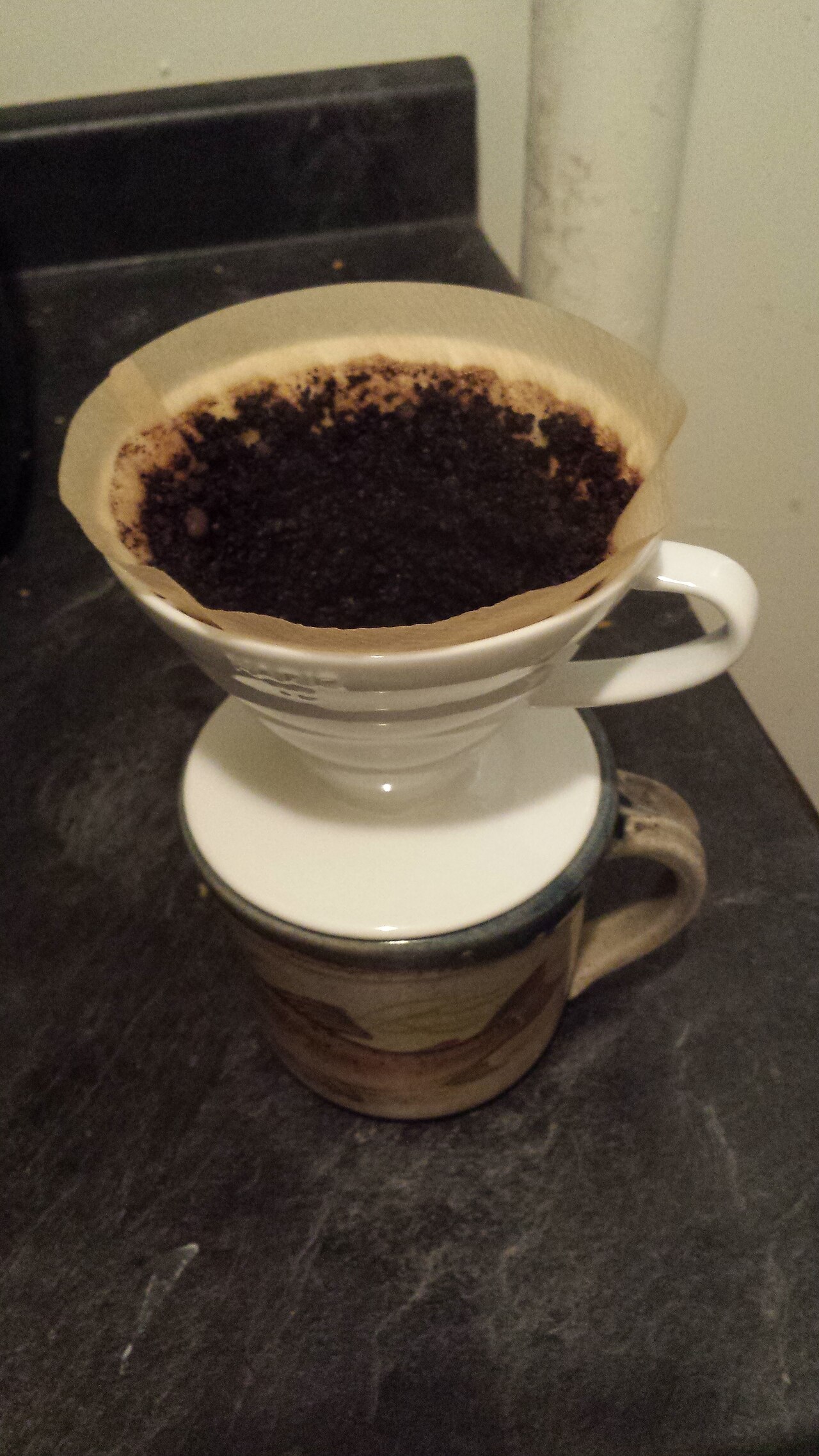
A pour-over dripper is a $10–30 piece of shaped plastic or ceramic that can make coffee as good as anything in a café — provided the grinder and kettle keep up. The dripper’s shape controls how water flows through the grounds, which controls extraction, which controls flavor. That makes the dripper choice genuinely meaningful, but also genuinely simple once you understand what each shape does. This guide compares the major designs, the materials, and everything else you need to make pour-over work.
How dripper shape changes the cup
Every dripper is a negotiation between flow speed and forgiveness. A fast-draining dripper gives you more control — and more ways to mess up. A restricted, even-draining dripper forgives sloppy pouring but caps how bright and nuanced the cup can get. There is no universally “best” shape, only the shape that matches your skill level and patience. Our pour-over vs French press comparison covers whether the manual method itself fits your routine; this guide assumes you have chosen pour-over and need the right tool.
The four drippers that matter
The V60 (cone, ribbed). The enthusiast standard: a 60-degree cone with spiral ribs and a single large drain hole. It drains fast and rewards good technique with the brightest, most articulate cup of the bunch — the dripper that shows off single-origin beans best. The price is forgiveness: pour too fast or grind inconsistently and it punishes you with uneven extraction. Best for patient brewers who enjoy the ritual and already own a good grinder.
The Kalita Wave (flat-bottom, wavy filter). The forgiving precision tool. Its flat bed and three small drain holes restrict flow, so the drawdown time stays consistent even if your pouring wobbles. The cup is sweet, balanced, and slightly less sparkly than the V60 — many people prefer it daily for exactly that reason. The proprietary wavy filters cost more than standard cones and can be harder to find locally, so stock up online.
The Chemex (cone, thick filter, carafe). The design icon that brews into its own elegant carafe. Its famously thick bonded filters strip out nearly all oils and fines, producing an exceptionally clean, tea-like cup — beautiful with light roasts, arguably too clean for people who like body. It brews larger batches (6–10 cups) elegantly, making it the best pour-over choice for serving guests. The thick filters are pricier and the glass carafe demands careful handling.
The Melitta (cone, wedge, small hole). The original pour-over, available in every supermarket for a few dollars. Its wedge shape and single small drain hole brew slowly and forgivingly — nearly impossible to mess up, but also incapable of the clarity the V60 reaches. The honest assessment: it makes perfectly good daily coffee and costs less than the filters you will buy for it. A fine starting point, and many brewers never feel the need to upgrade.
Material: plastic vs. ceramic vs. metal vs. glass
This choice matters less than forums suggest, but it is not nothing. Plastic is cheap, unbreakable, and — counterintuitively — excellent at heat retention because it does not steal warmth from the brew water the way room-temperature ceramic does. It is the rational choice and the one many competition brewers actually use. Ceramic looks beautiful and holds heat well once preheated, but it is heavy, breakable, and expensive; preheat it with hot water or it will suck the temperature out of your brew. Metal (usually stainless) is nearly indestructible and great for travel or camping, but it loses heat fastest of all. Glass lets you watch the drawdown, which is genuinely useful while learning, at the cost of fragility.
Our practical ranking for home use: plastic for performance-per-dollar, ceramic for the countertop you photograph, metal for travel. Preheat whatever you choose.
What else you actually need
The dripper is the cheapest part of the system, and buying a V60 while ignoring the rest is the classic pour-over disappointment. You need three companions:
A burr grinder that can grind consistently at medium-fine. Pour-over exposes grind inconsistency mercilessly — fines over-extract into bitterness while boulders under-extract into sourness, in the same cup. Our burr grinder guide explains what to look for; this is the purchase that determines whether pour-over tastes amazing or frustrating.
A gooseneck kettle. The thin spout’s slow, controlled pour is not optional equipment for cone drippers — dumping water from a regular kettle agitates the bed and ruins the even extraction the dripper was designed for. Our gooseneck kettle guide covers flow control and temperature features.
A scale. Pour-over recipes are ratios — typically 1:15 to 1:17 — and eyeballing both the coffee and the water is how you get a different cup every day. A 0.1g scale with a timer makes the whole method repeatable, which is the entire point.
And filters: buy the correct filters for your dripper shape, and plenty of them. Rinse paper filters with hot water before brewing to wash out papery taste — this matters most with the thick Chemex filters.
A starter technique that works
Heat water to 200–205°F (slightly cooler, around 195°F, for very light roasts). Rinse the filter and preheat the dripper, then discard the rinse water. Add medium-fine grounds — like sea salt — at your chosen ratio. Pour just enough water to saturate the grounds, about twice their weight, and wait 30–45 seconds: this bloom lets trapped CO2 escape so the main pour extracts evenly. Then pour in slow spirals, keeping the water level steady, aiming for a total brew time of 2:30 to 3:30 for a single cup. If it drains much faster, grind finer; much slower, grind coarser. That feedback loop — taste, adjust grind, repeat — is the whole skill, and it clicks within a week of daily brewing.
The traps that waste buyers’ money
The biggest trap is the dripper-first purchase: a $30 ceramic V60 with a blade grinder and a regular kettle makes worse coffee than a $5 Melitta used properly, because the system matters more than the centerpiece. The second trap is wrong filters — cone filters in a flat-bottom dripper or vice versa — which sounds obvious but happens constantly with lookalike packaging. The third trap is collecting drippers: owning four shapes does not make better coffee than mastering one. Pick the shape that fits your temperament, then spend the learning time on grind and pouring, not on shopping.
The quiet trap is water. If your tap water is heavily chlorinated or very hard, no dripper fixes it — a basic carbon filter is the cheapest flavor upgrade in all of coffee. And as always, freshness rules: beans more than a month off roast will taste dull through the most articulate dripper ever made. See our bean storage guide.
Which dripper should you actually buy?
Impatient beginner who wants good coffee now: Melitta or Kalita Wave in plastic. Forgiving, cheap, excellent daily cups. Patient learner who loves the ritual: V60 in plastic — the ceiling is the highest and the learning curve is the fun. Brewing for two or more: Chemex 6-cup; it handles batches gracefully and looks like sculpture. Travel or office: a stainless dripper that survives a bag. In every case, budget more for the grinder than the dripper — a $15 dripper with a $150 grinder makes better coffee than the reverse, every single time.
What this guide does not cover
This covers manual pour-over drippers — not automatic pour-over machines (which are drip machines with better marketing), not the AeroPress, and not siphon or vacuum brewers. It does not cover water chemistry beyond the basics, and it does not teach advanced techniques like bypass brewing or multi-pour competition recipes.
Frequently asked questions
V60 or Kalita Wave — which is better for beginners?
The Kalita Wave. Its flat bed and restricted flow forgive inconsistent pouring, so beginners get sweet, balanced cups while learning. The V60 rewards skill with a brighter cup but punishes sloppy technique — graduate to it once your pouring is steady.
Do I really need a gooseneck kettle for pour-over?
For cone drippers like the V60, effectively yes — a regular kettle’s fast pour agitates the coffee bed and causes channeling. For the forgiving Melitta wedge, you can get away without one, but a gooseneck still improves every pour-over method.
Plastic or ceramic dripper?
Plastic for performance: it is cheap, unbreakable, and retains heat well because it does not conduct warmth away from the brew. Ceramic for aesthetics, with a hot-water preheat to compensate. The coffee does not know the difference once temperature is equalized.
Why does my pour-over taste sour?
Sourness means under-extraction: grind finer, use hotter water, or extend the brew time with a slower pour. If the water rushes through in under two minutes, the grind is too coarse — that is the first thing to fix.